To strengthen students’ global competence and cultivate reserve talent for participationin global governance, from August 9 to 16, the School of Chemistry and Chemical Engineering organized the 2026 "Global Connections" Summer Field Study Delegation to Geneva, Switzerland; Brussels, Belgium; and The Hague, the Netherlands. Twenty-five undergraduate, master's, and doctoral students from different schools traveled across three international hub cities, visiting more than ten international institutions, including the Palais des Nations, the World Trade Organization (WTO), the Global Fund, the European Organization for Nuclear Research (CERN), the European Parliament, and the International Court of Justice (ICJ). They observed multilateral institutions at work, spoke with officials from international organizations, and reflected on the responsibilities and contributions of young people at HIT in real-world global governance settings.
In Geneva, the first stop of the tour was the Geneva Centre for Security Policy (GCSP), where Fabrizio Hochschild, former United Nations Under-Secretary-General and Special Adviser to the Secretary-General on Technology, delivered a presentation entitled "History, Achievements & Challenges of International Organizations.",systematically outlining the development of international organizations and the challenges they face today. The delegation then visited the WTO, engaging in in-depth exchanges with its staff members to understand the operating mechanisms of international trade rule-making and how multilateral negotiations operate. That evening, the students toured the area around the Palais des Nations and the surrounding complex of diplomatic missions , experiencing the historical depth of multilateral diplomacy at the United Nations Office at Geneva.
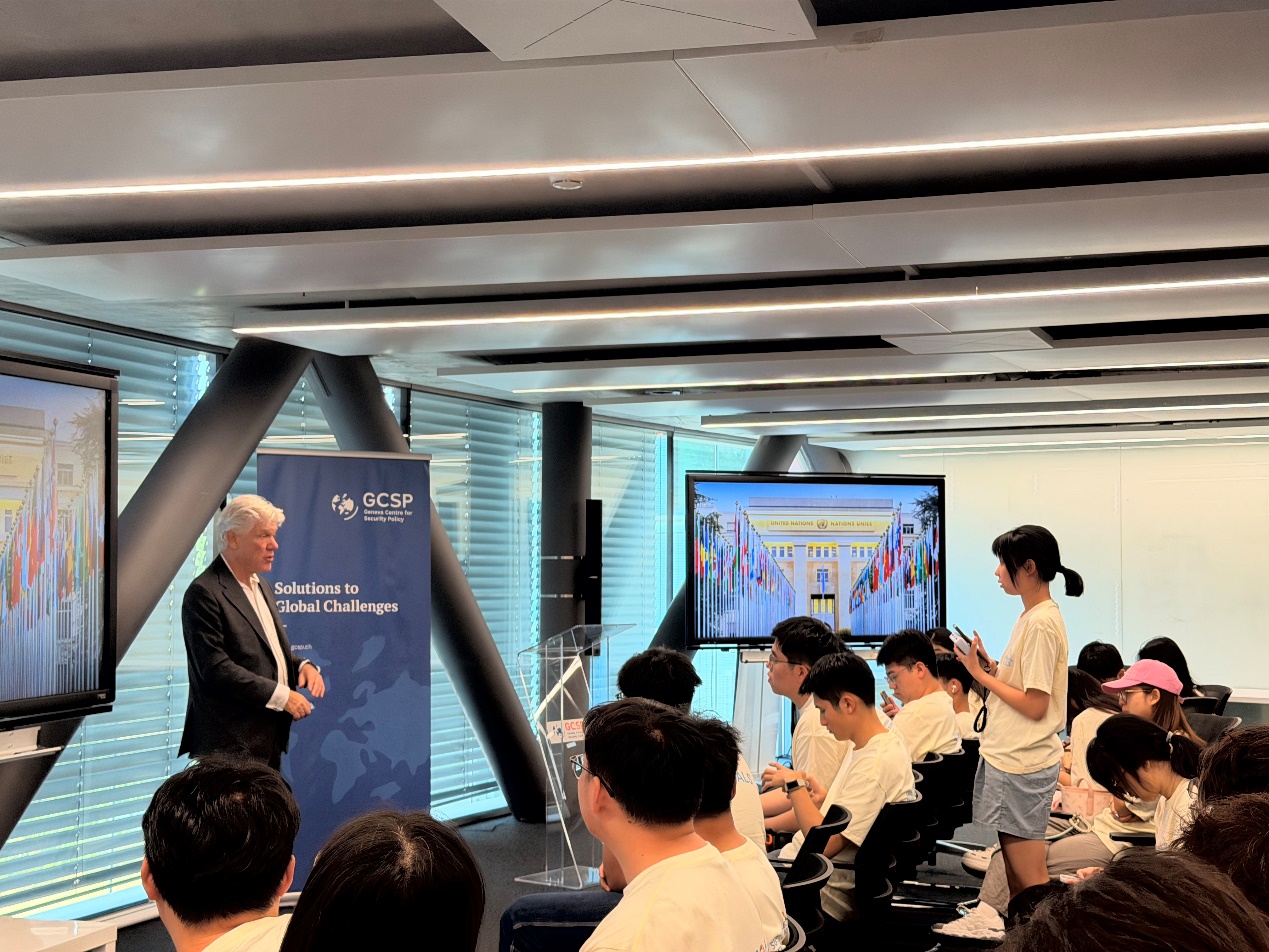
Delegation members exchanging ideas with international organization experts
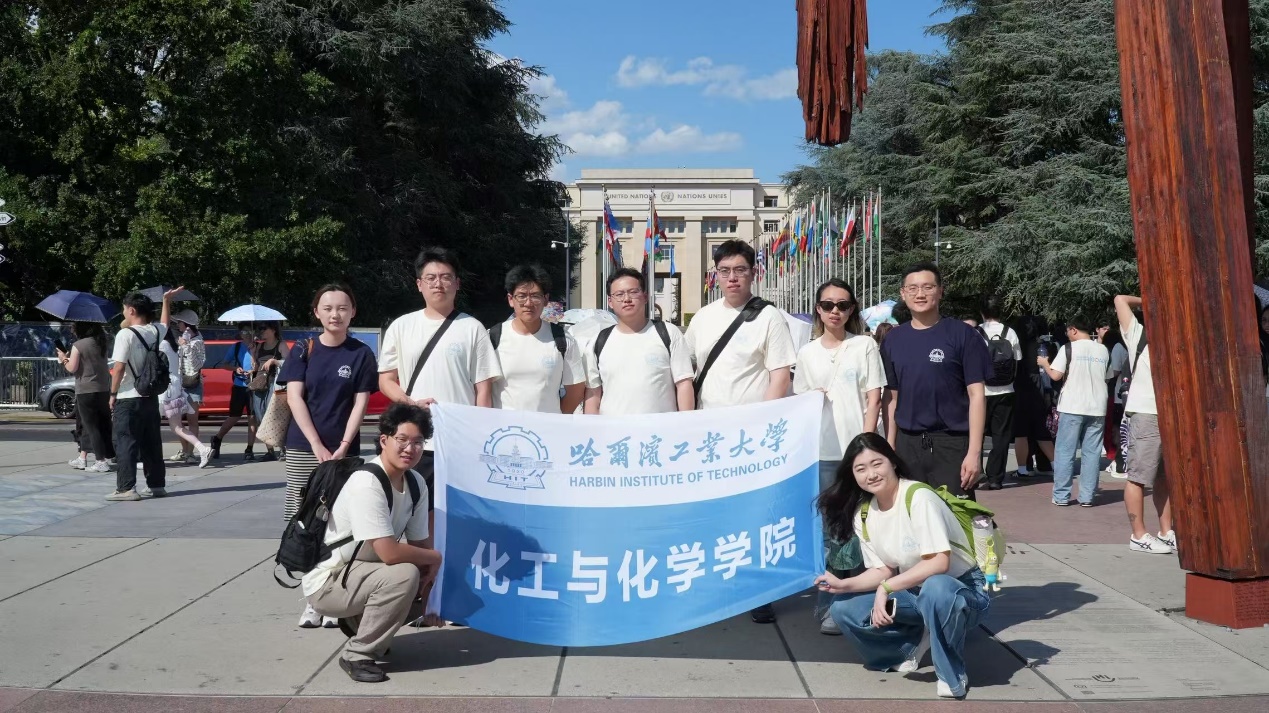
The delegation visiting the Palais des Nations
The following day, the delegation visited CERN, exploring the world’s largest particle physics laboratory. During the visit, the students came to appreciate deeply that frontier breakthroughs in basic science are never the achievement of a single country—collaborative spiritis equally essential to scientific research. That afternoon, the delegation visited the Global Fund and the World Health Organization's Geneva campus to learn about the global public health governance system.
On August 12, the delegation arrived in Brussels, Belgium. At the European Parliament, the students observed the work of the European Union's legislative body and took part in a seminar on the EU's governance structure and mechanisms for international cooperation in science and technology. The visit helped them examine different forms of multilateral mechanisms from the perspective of regional integration governance.
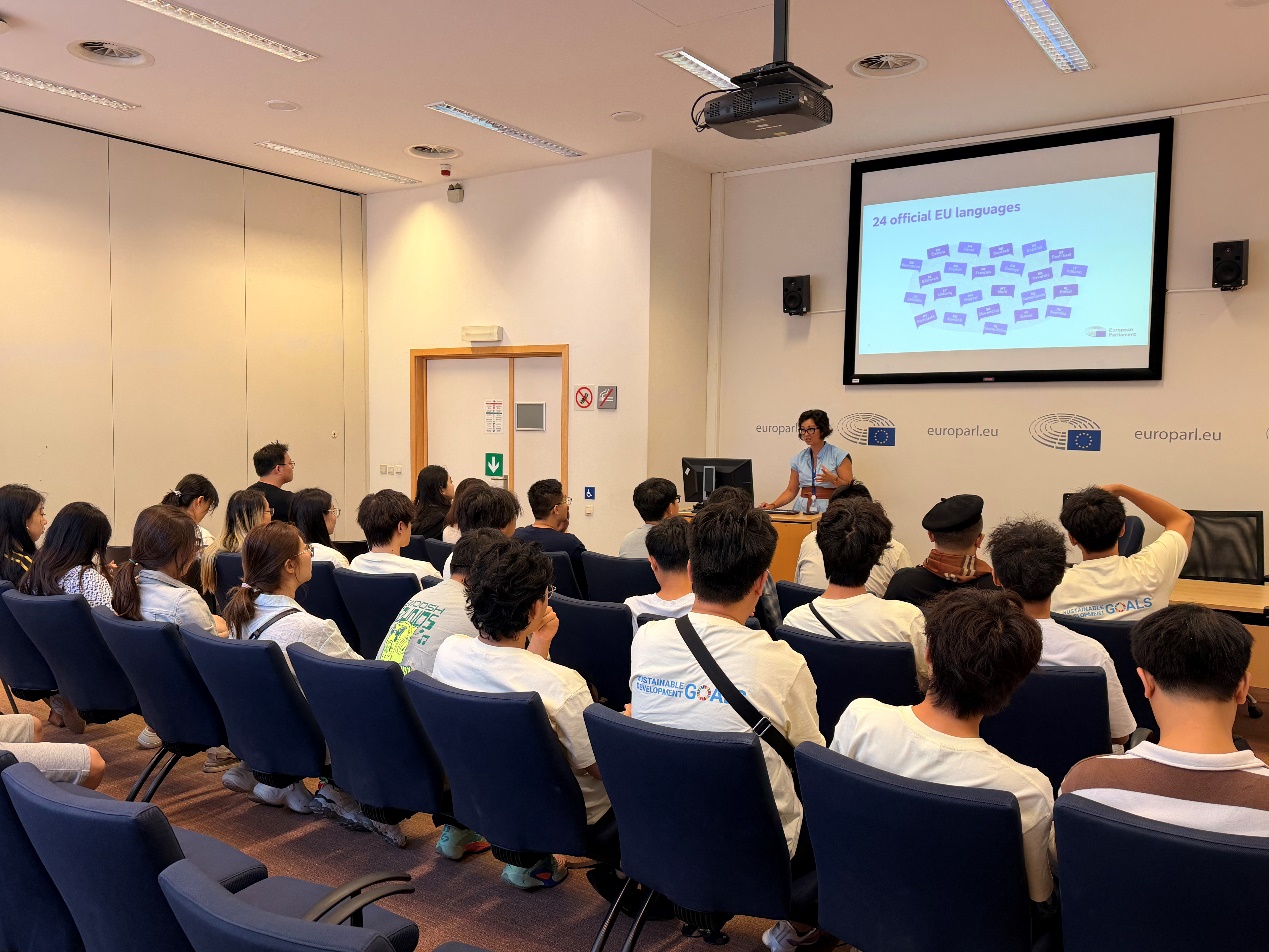
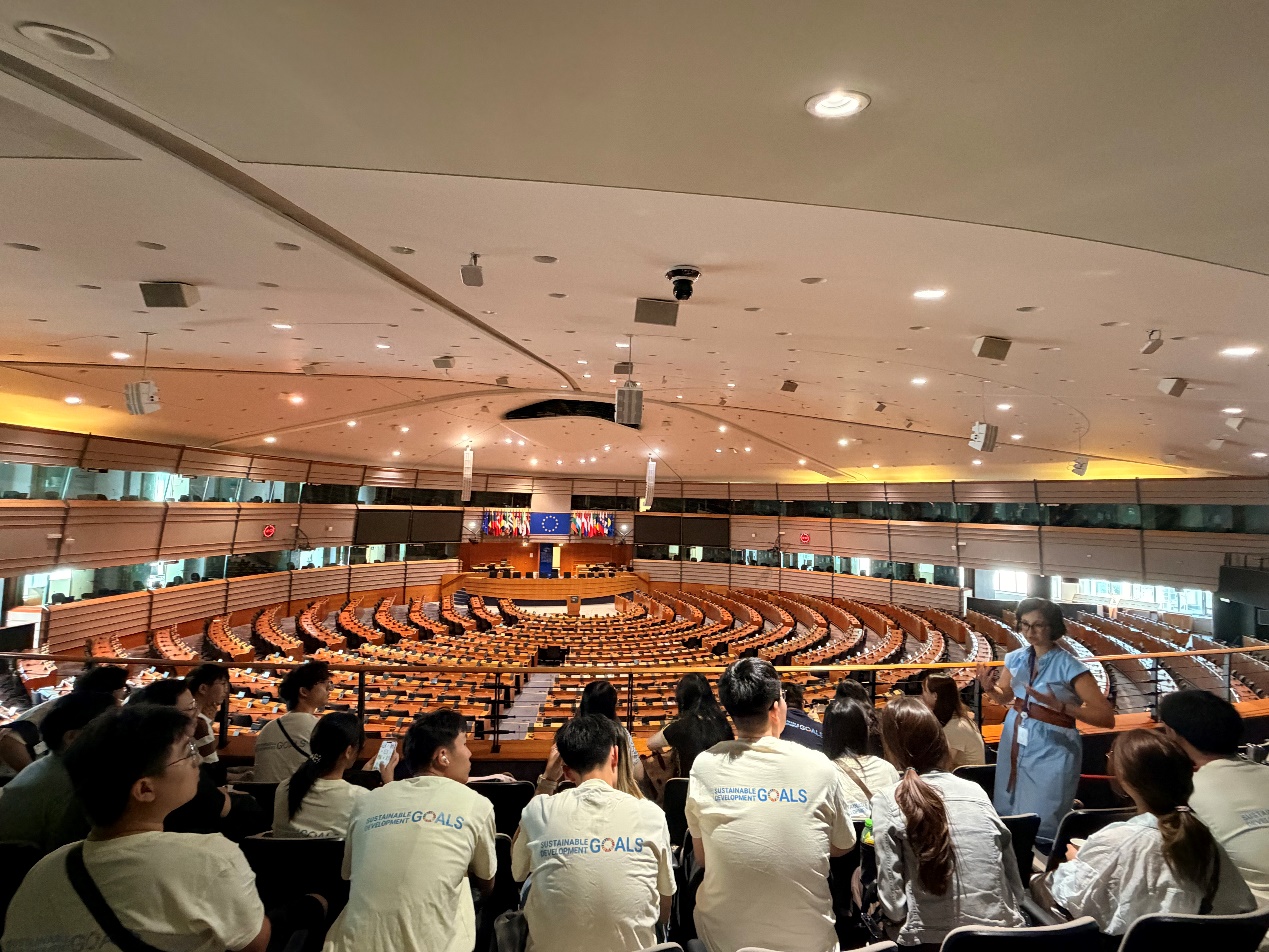
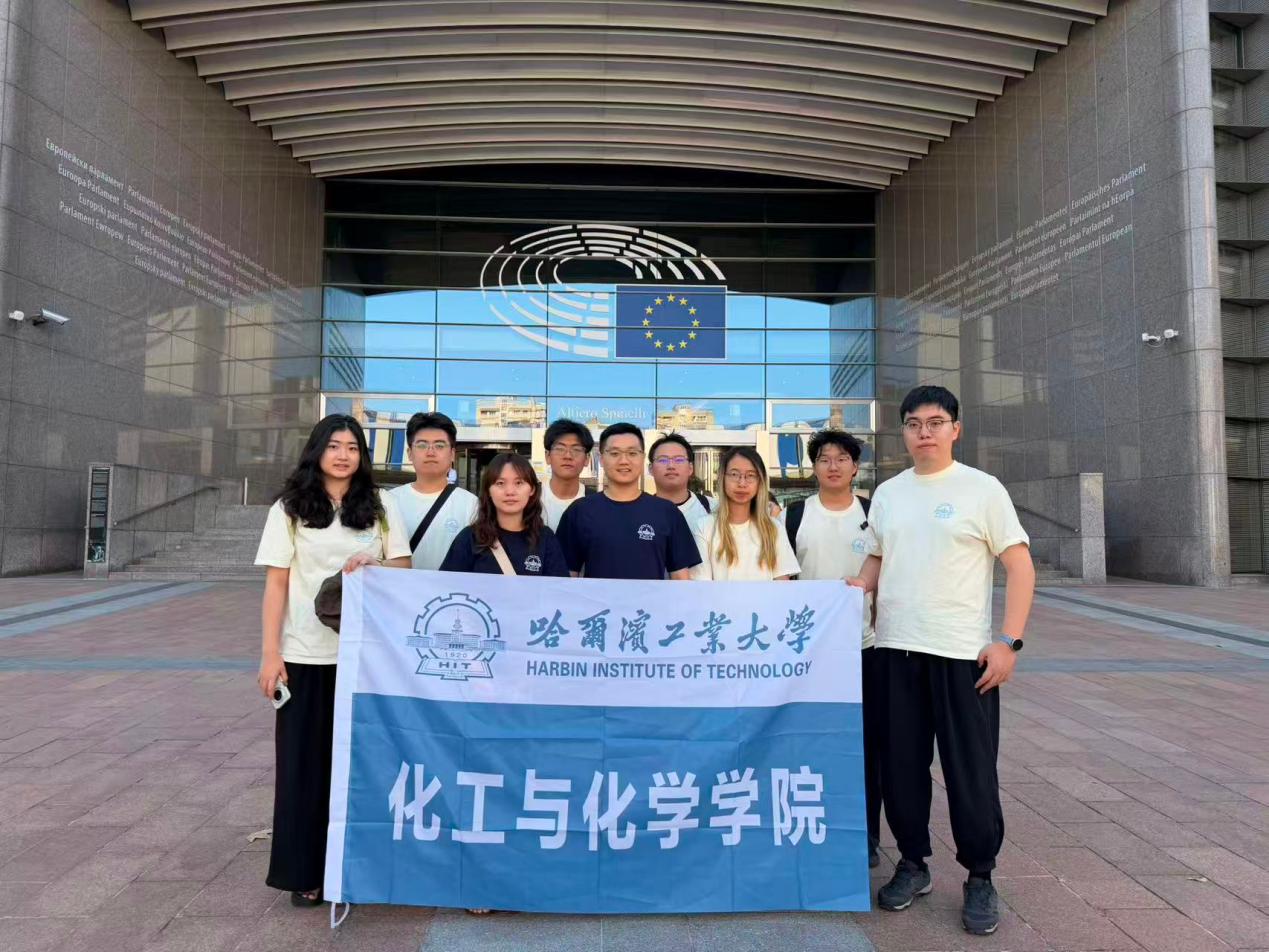
Exchange and visit at the European Parliament
On August 14, the delegation arrived in The Hague, known as the "capital of international law". The students visited the International Court of Justice in the Peace Palace, exploring, in the hall of international justice, the pathways for synergy between international rules and technological development. The delegation then visited The Hague Humanity Hub and attended presentations by Jacco-Pepijn Baljet and Marcela Neves. Finally, delegation members presented their results in groups, using the Sustainable Development Goals (SDGs) as a framework. Drawing on what they had learned during the week, they proposed youth-led ideas on global governance issues and received certificates for completing the program.
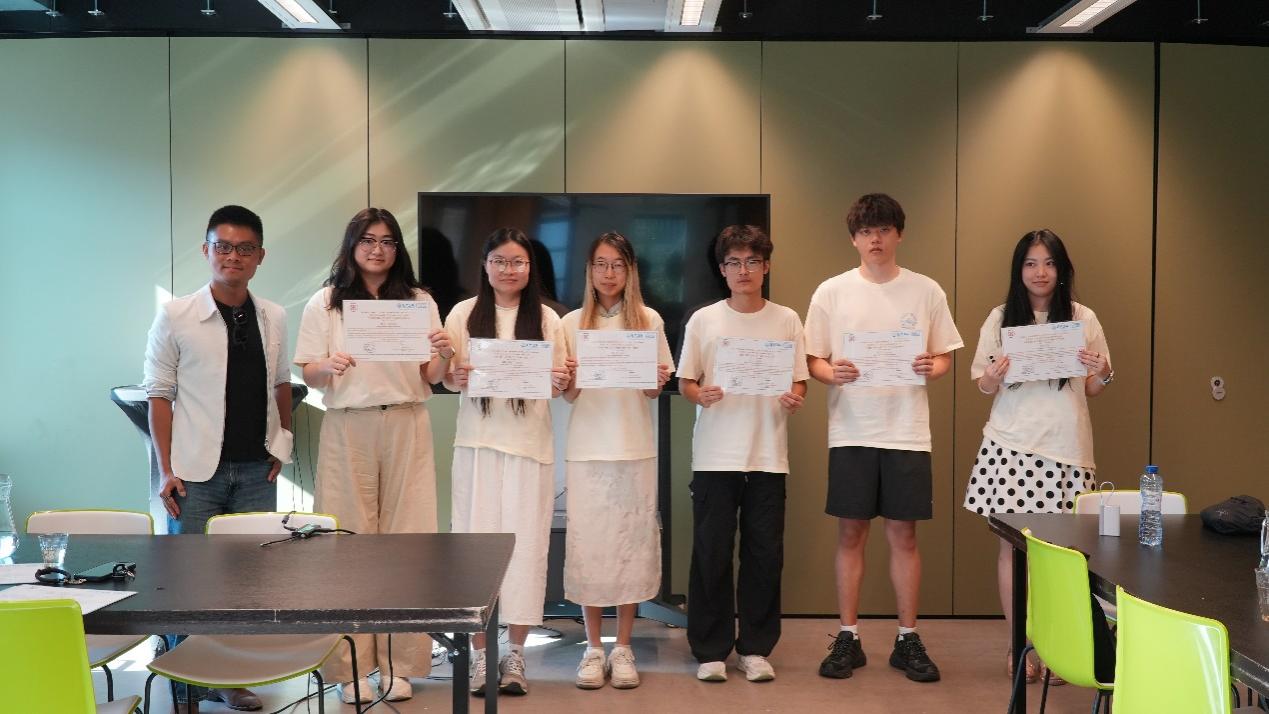
Group presentations and certificate awarding
On August 15, delegation members continued exploring The Hague’s cluster of international organizations through self-directed visits. As the capital of an international law, the Hague hosts numerous international judicial institutions, including the International Court of Justice, the Permanent Court of Arbitration, the International Criminal Court, and many other international judicial institutions. Working in groups according to their interests and research areas, the students conducted independent research at different international organizations.
The intensive week took the delegation from the frontiers of particle physics to the front line of global health, from the negotiating tables of international trade to the courtrooms of international justice, and from group visits to independent exploration. Across these settings, the students experienced both the complexity and the possibilities of global governance. The School will continue expanding opportunities for students to visit and intern with international organizations, building bridges for more students to engage with the international community and develop the global competence needed to contribute Chinese perspectives and HIT expertise to global governance.