To broaden students’ international academic horizons, deepen their understanding of frontier fields such as energy nanomaterials and intelligent bio-devices, and effectively connect with high-quality academic resources from top international scientific research institutions, from August 15 to 20, 2026, supported by HIT’s "Outstanding Graduate Student International Exchange Program" and the “Global Navigation・International Vision” project, the School of Chemistry and Chemical Engineering organized a delegation of undergraduate and doctoral students for an academic visit to Barcelona, Spain.
The visit was led by Professor Qi Dianpeng, Assistant to the Dean, and Professor Wang Lei, Director of the International Development Center. During the six-day itinerary, the delegation successively visited the Institute of Energy Research of Catalonia (IREC), the Institute of Bioengineering of Catalonia (IBEC), the University of Barcelona (UB), and the Polytechnic University of Catalonia (UPC), conducting academic visits and symposiums focusing on cutting-edge disciplines. In addition, aligned with the school’s talent recruitment strategy, the delegation delivered high-level talent recruitment briefings for local scholars and doctoral students, systematically introducing HIT’s talent recruitment policies and the school’s latest development status. Meanwhile, the delegation arranged student interactions with local doctoral students and conducted in-depth discussions on topics such as study abroad applications, overseas scientific research training, and career development planning, providing useful references for students’ academic and career development.
At IREC, the delegation held a thematic seminar with ICREA Research Professor Andreu Cabot and his functional nanomaterials research group. Professor Cabot systematically introduced the team’s representative research achievements in recent years, focusing on the controllable synthesis and performance characterization of metal and semiconductor nanostructures, as well as their applications in new energy storage devices such as sodium-sulfur batteries and ammonium ion supercapacitors. Combining the theories learned in courses such as materials chemistry and physical chemistry, delegation members presented reports on specific issues, including nanomaterial synthesis path design and electrochemical performance optimization strategies, and conducted in-depth exchanges with Professor Cabot’s team, further deepening their understanding of the frontier trends in the field of energy materials.
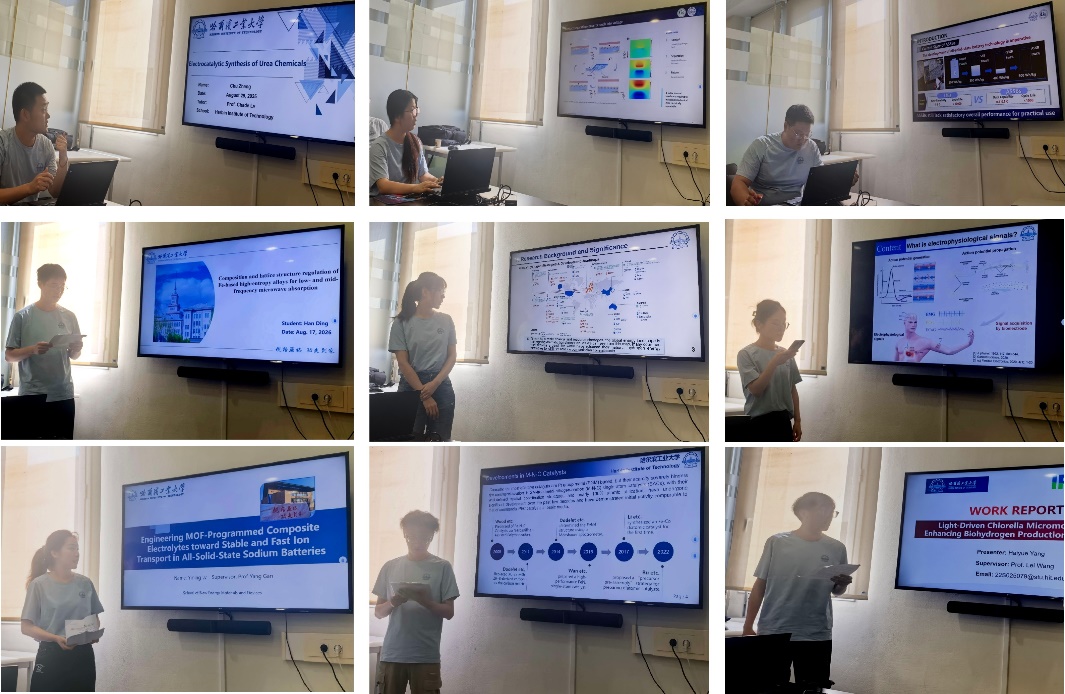
The students gave academic presentations during their visit to IREC
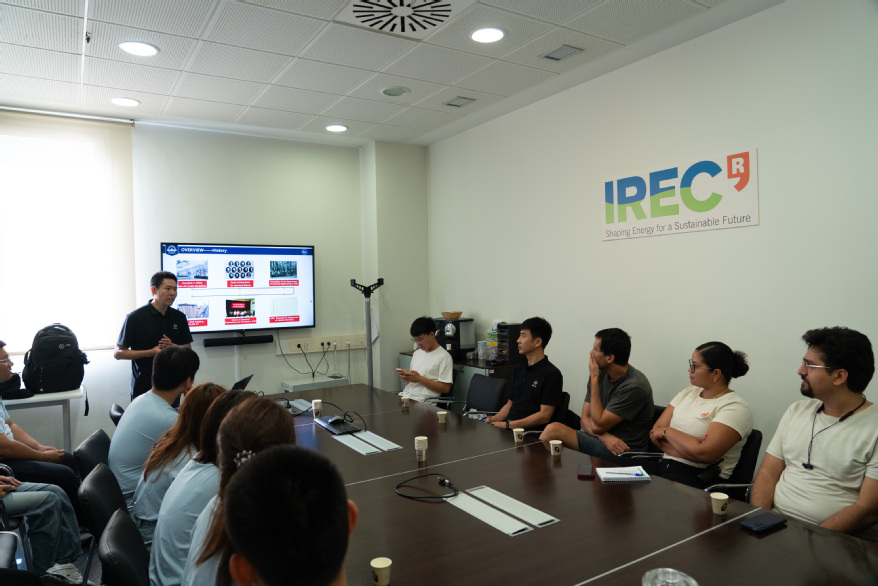
Holding recruitment presentations
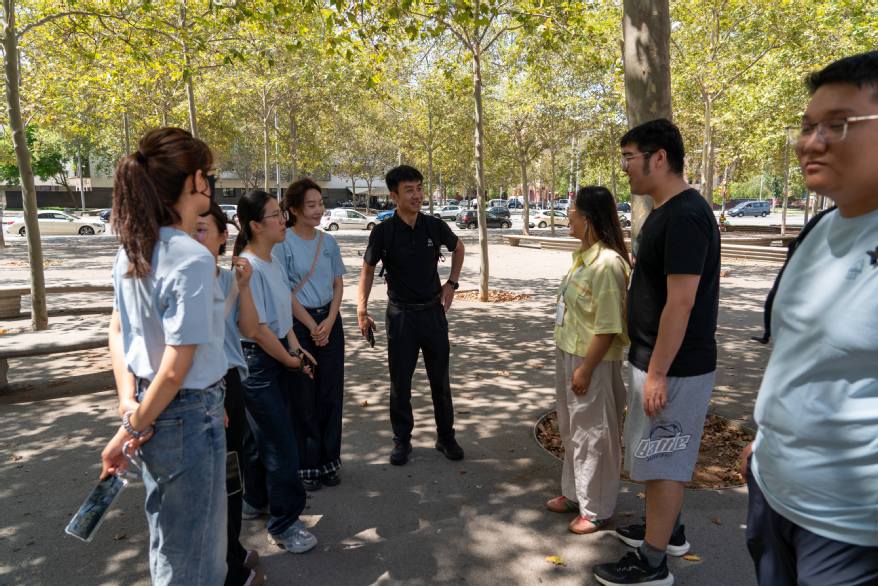
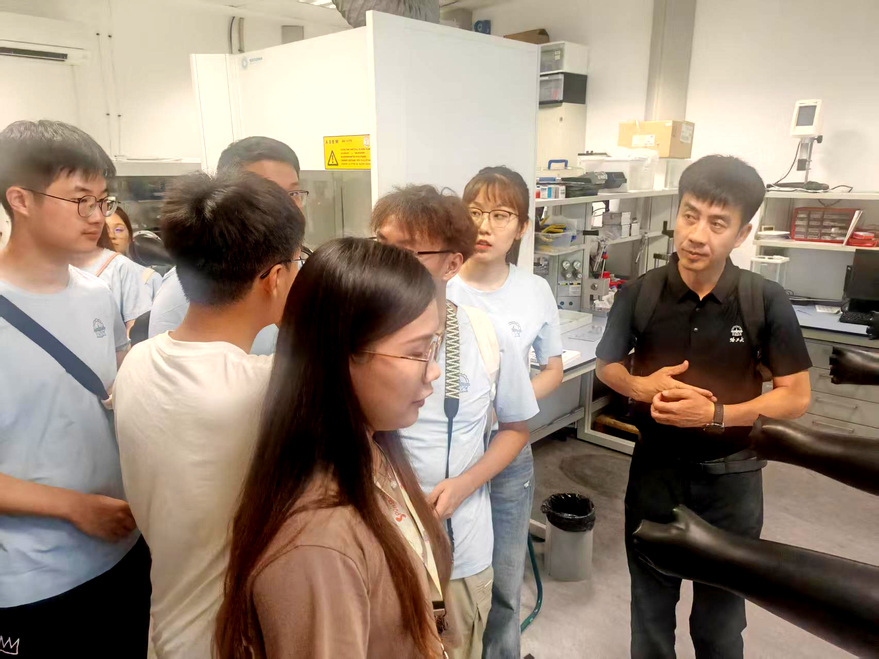
Chatting with local postdocs and taking a tour of the lab after the recruitment presentation
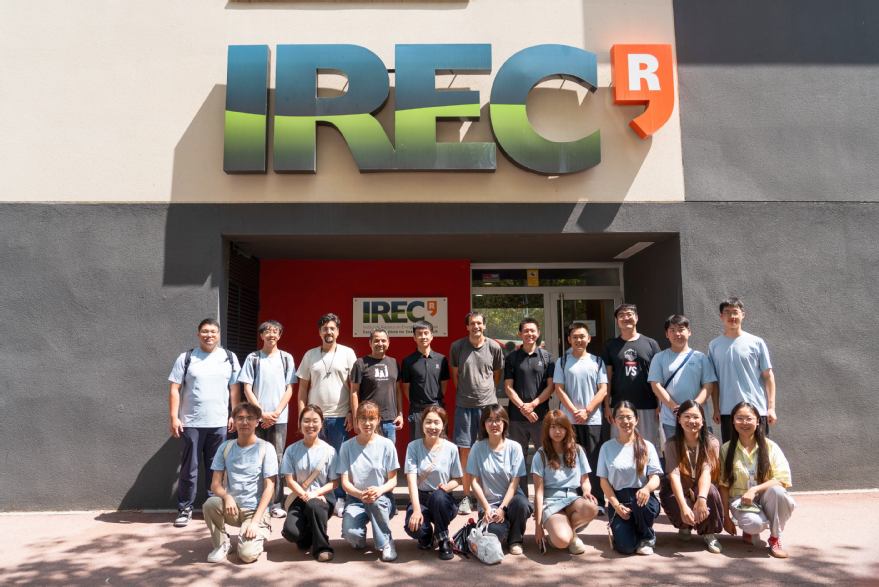
Group photo during the delegation’s visit to IREC
At IBEC, the delegation engaged in academic exchanges with ICREA Research Professor Samuel Sánchez, Deputy Director of IBEC, and his intelligent nano-biodevices research group. Professor Sánchez’s team highlighted the latest progress in cutting-edge technologies including self-driven micro-nano motors, therapeutic nanorobots and 3D bioprinting, and shared their achievements in the precise targeted treatment of major diseases such as cancer using nanorobots. Members of the delegation showed strong interest in this interdisciplinary research direction, and actively raised key scientific questions regarding the in-vivo delivery mechanism of nanorobots, biocompatibility evaluation and clinical transformation feasibility, creating a vibrant on site academic atmosphere.
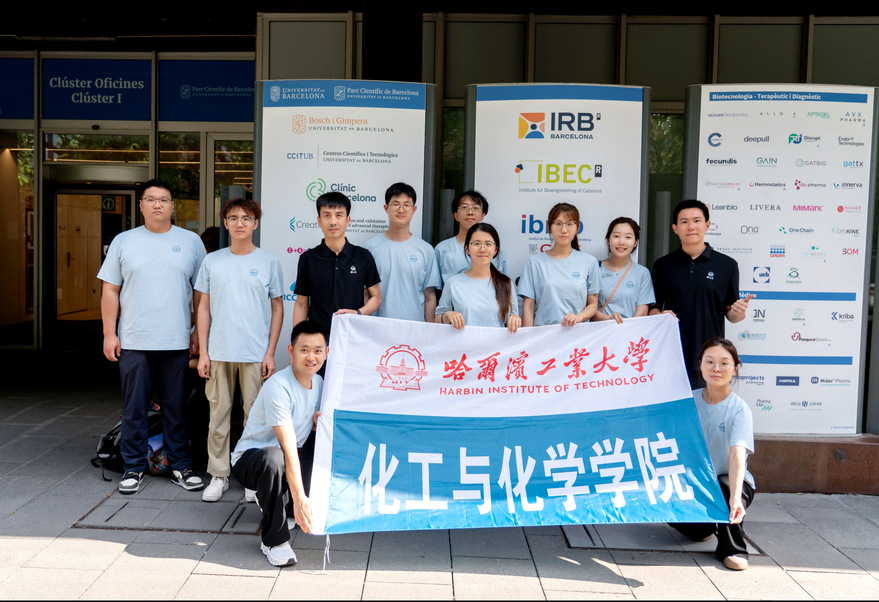
Group photo during the delegation's visit to IBEC
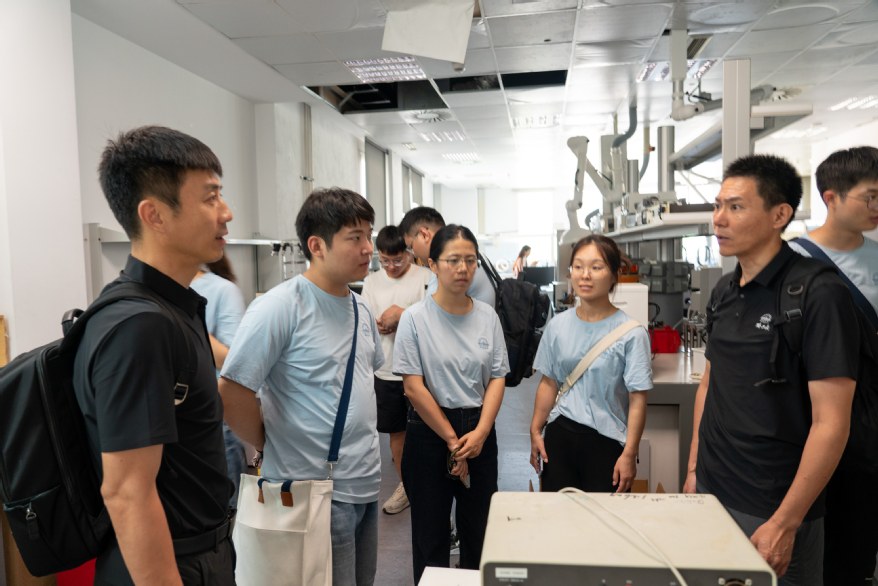
The delegation visiting the IBEC lab
During the exchanges with the University of Barcelona (UB) and the Polytechnic University of Catalonia (UPC), the delegation had extensive discussions with teachers and students from both universities over discipline construction, graduate training, and academic cooperation. They also acquired fuller knowledge of research organization modes and talent-training features within Spain’s higher-education system in chemistry, materials science, and bioengineering, laying a solid foundation for building long-term, stable cooperation in the future.
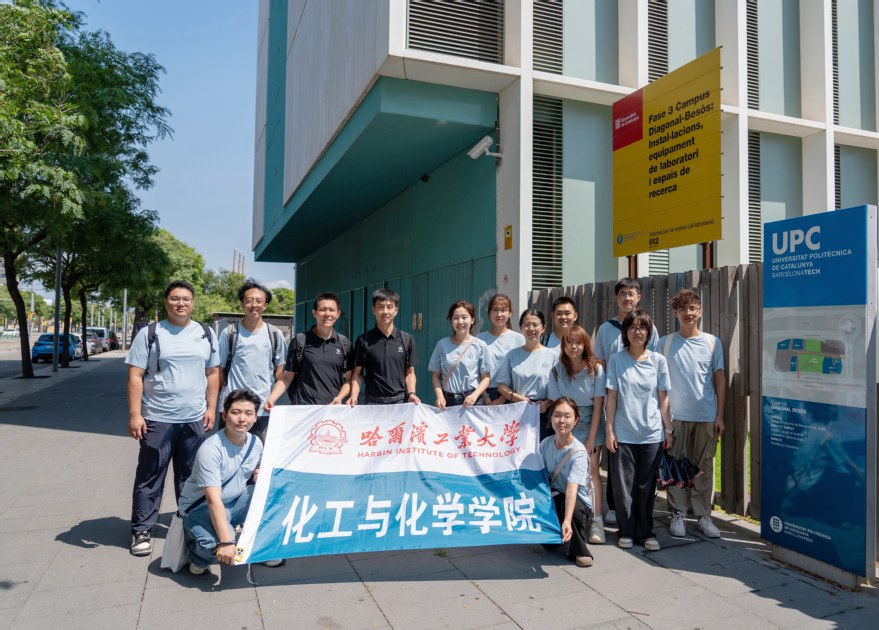
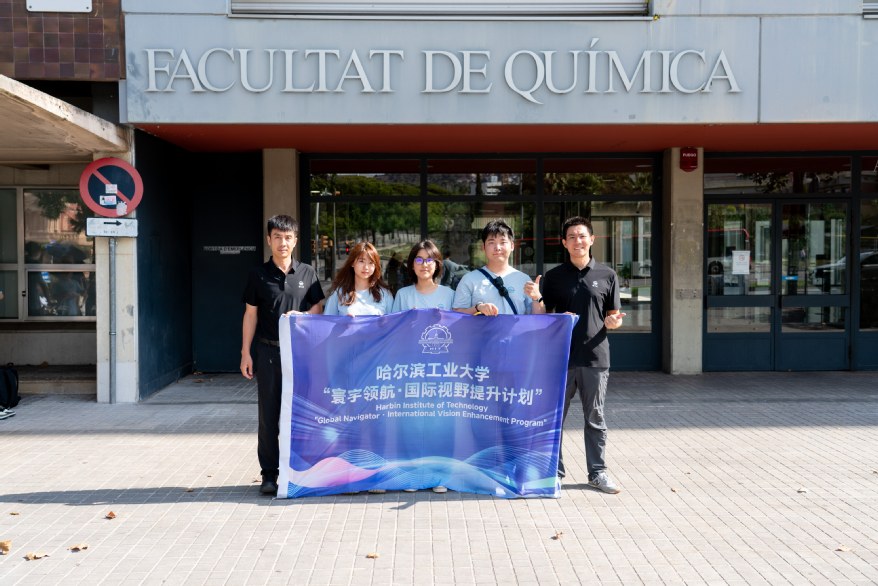
The delegation visiting the chemistry departments of UPC and UB
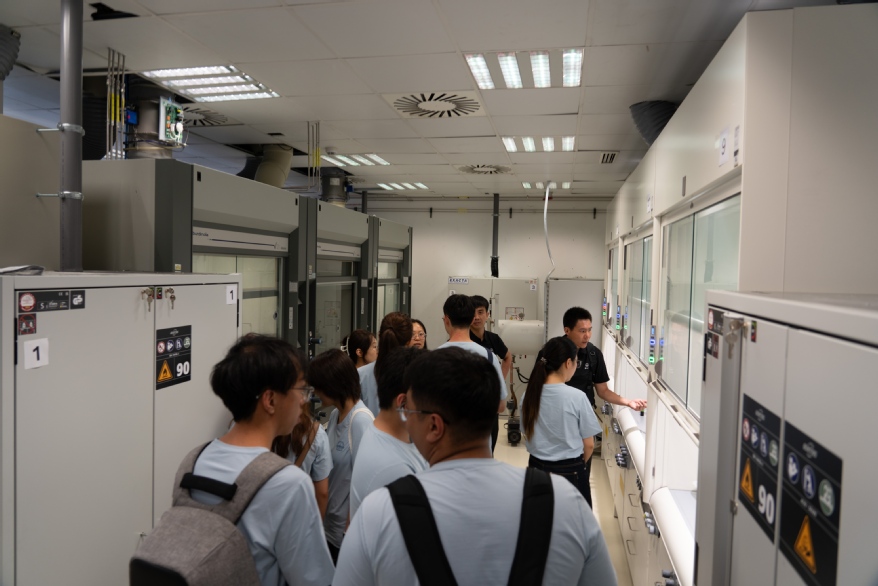
The delegation visited the UB lab
This academic visit took academic exchange as the core driving force and talent recruitment as a key underpinning, promoting the two-way empowerment of discipline horizon expansion and talent introduction work. The delegation walked into high-level international academic organizations, connected with the international academic frontier at close range, deepened professional cognition through in-depth discussions, and broadened international horizons through cross-cultural communication and interaction.