On the morning of April 30, Associate Professor Roberto Rinaldi of Imperial College London paid an invited visit to the School of Chemistry and Chemical Engineering, Harbin Institute of Technology. Both sides held an academic exchange seminar in the Mingli Academic Lecture Hall of Mingde Building. Lu Songtao, Vice Dean, Wang Lei, Director of the International Development Center, together with relevant faculty representatives,attended the session. The meeting was presided over Wang Lei.
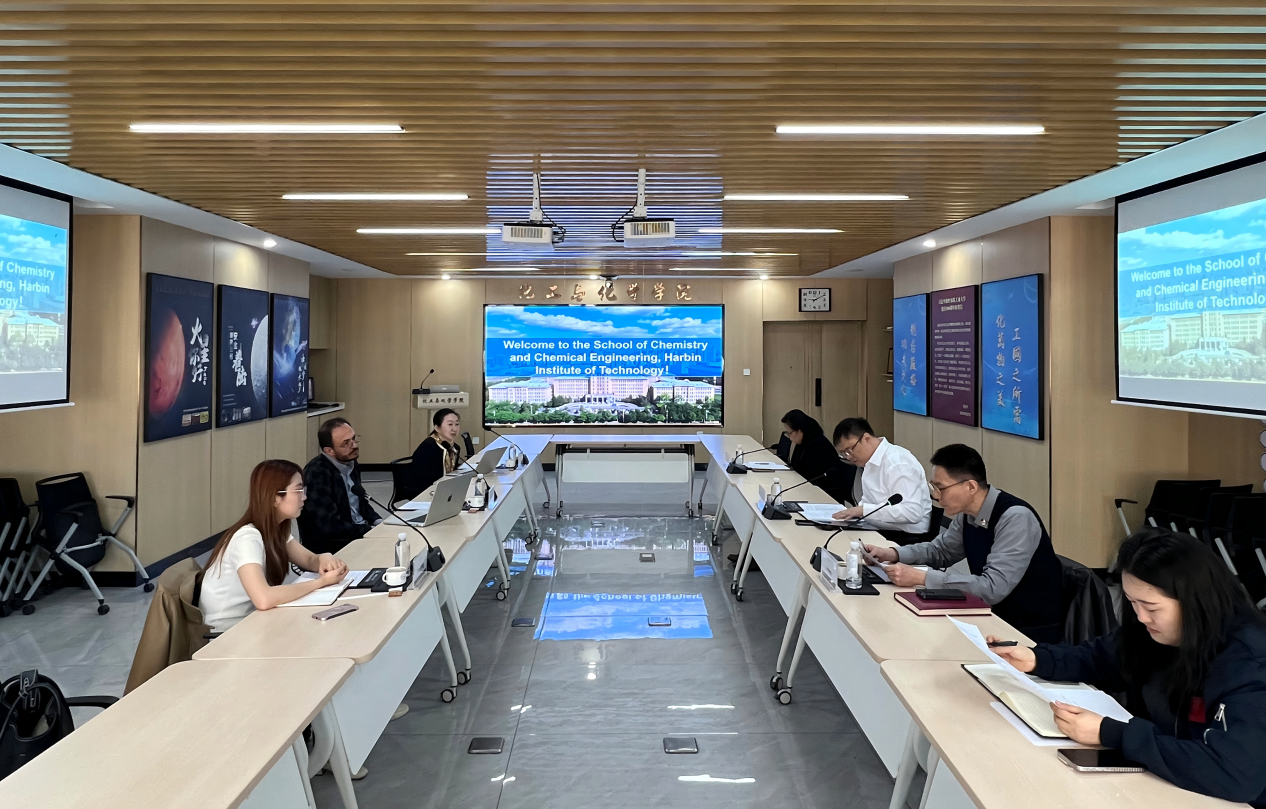
At the discussion and exchange session
On behalf of the School, Lu Songtao welcomed Associate Professor Roberto Rinaldi on his first visit. He pointed out that the “15th Five-Year Plan” period is a crucial stage for the university to forge ahead into the forefront of world-class universities. The school has always adhered to the philosophy of open schooling, proactively connected with top global innovation resources, and further advanced its internationalization strategic layout. As a world-leading research university, Imperial College London boasts a profound academic foundation and extensive international influence in chemical engineering, green chemical engineering, and related fields, serving as a key partner for the School to deepen international cooperation. He expressed the hope that this visit would serve as an opportunity for the two sides to establish a regular cooperation mechanism in faculty and student exchanges, joint education, and research collaboration, thereby achieving complementary strengths and shared development while continuously enhancing the school's global academic influence and internationalization level.
At the meeting, Roberto Rinaldi gave a detailed introduction to the research layout, research characteristics, and international cooperation system of relevant disciplines at Imperial College London. Wang Lei introduced the School’s development history, disciplinary strengths, distinctive features in talent cultivation, and achievements in international exchange. Both sides conducted in-depth discussions on faculty and student exchanges, joint talent training, faculty appointments, and research collaboration, and reached a number of consensus agreements. Both sides agreed to launch faculty and student exchanges starting in 2026, and gradually build a regular and sustainable cooperation mechanism focusing on practical cooperation in joint talent training, faculty exchanges, scientific research collaboration, and joint platform construction.
This exchange seminar has laid a solid foundation for the two sides to establish a long-term, stable, pragmatic, and efficient cooperative relationship. In the future, the School will continue to uphold the international cooperation philosophy of openness, inclusiveness, mutual benefit, and win-win cooperation; deeply integrate into the global innovation network; further expand international academic exchanges and educational and research cooperation; and continuously enhance its capacity for global talent cultivation and recruitment, contributing greater international strength to the University’s efforts to move into the forefront of world-class universities.
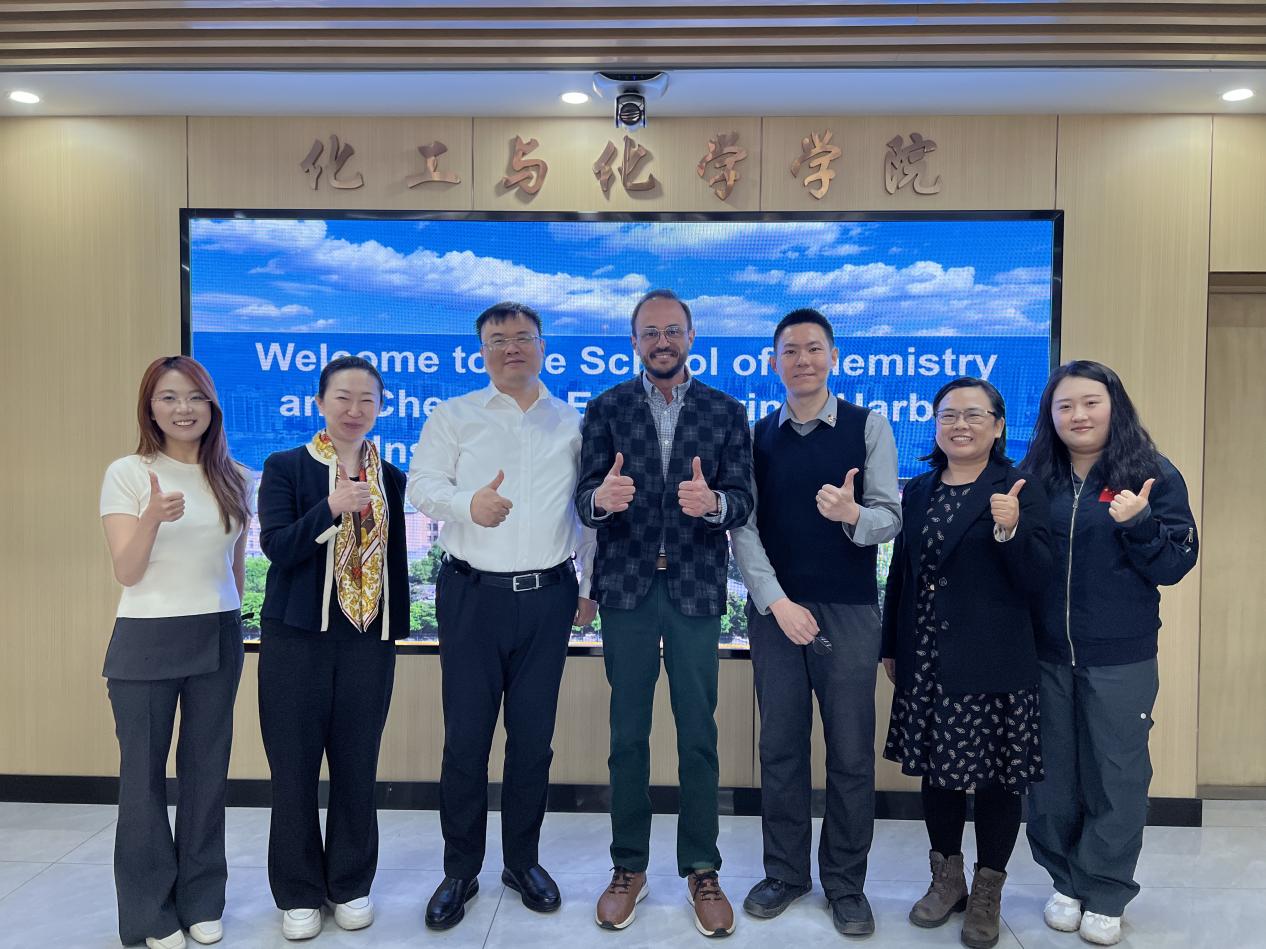
Group photo of the seminar participants